ITINERARY
CUSCO CITY TOUR – FULL DAY IN CUSCO CITY
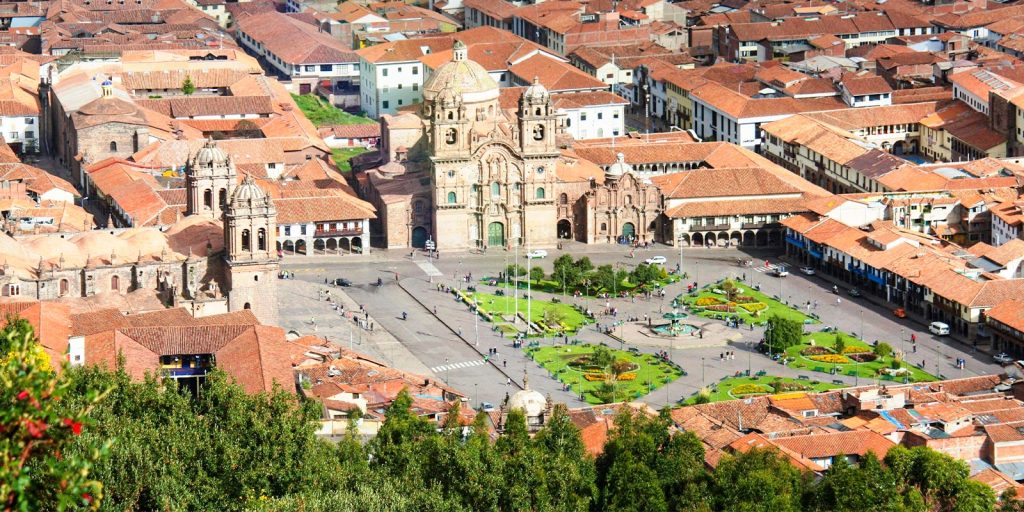
This amazing one-day tour will start with pick-up from your hotel so you can discover the imperial city of Cusco, full of history and with a great Inca legacy.
Cusco is a great example of the meeting between the culture that the Spanish brought with them and the Inca culture, with its great walls and almost perfect architecture. Here, it was practically the center of the Inca administration, where people worshipped the Sun god. This itinerary will take you to places such as:
Sacsayhuaman
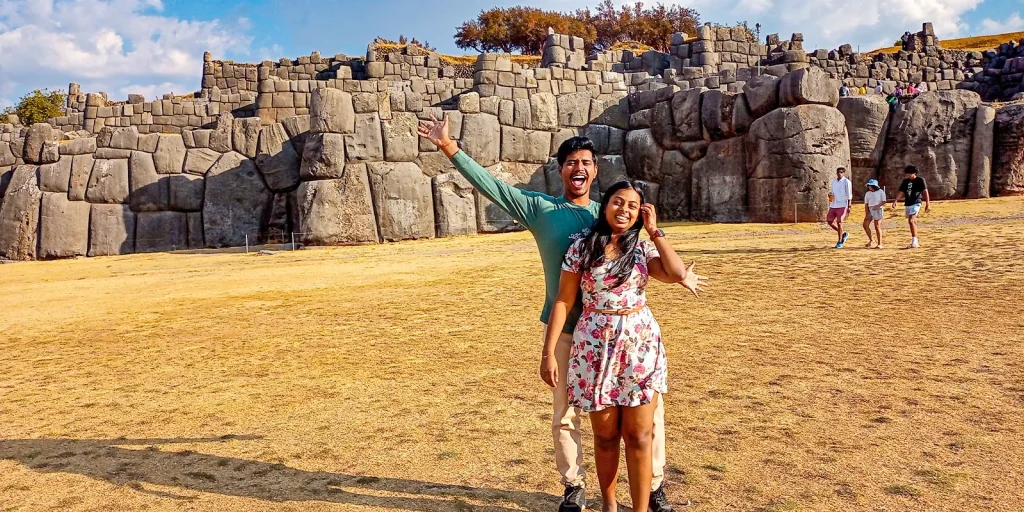
Sacsayhuaman, which means ‘satisfied falcon,’ is one of the most impressive sites built by the Incas. It is generally called a fortress. However, it is not certain what its main function was before the Spanish arrived. Current research suggests that it was more likely used as a temple, as Inca tombs have been discovered in the area.
The site is a wonderful example of Inca architecture. Even now, after many parts have been destroyed, you can imagine its greatness when it stood in its full glory. The stones in the walls are incredible and the largest one weighs 128 tons.
The Incas planned the city of Cusco in the shape of a puma, with Sacsayhuaman as the head. The magnificent zigzag walls are the main attraction. The grounds around Sacsayhuaman are still used today for the colorful festival of Inti Raymi, which is held to celebrate the winter solstice on June 24th.
Q’enqo
The site of Q’enqo, which means ‘maze’ in Quechua, contains the most impressive carved rocks in the Cusco area. There are carvings everywhere, although some are hard to see. A llama, a condor, and snakes have been identified. There are many zigzag channels carved into the natural rock, probably used for pouring sacrificial chicha (a local drink made from corn). Below the rock, there are a number of caves and passageways, and an altar that was likely used for the sacrifice of llamas. The remains of buried people have also been discovered at this site.
Puka Pukará
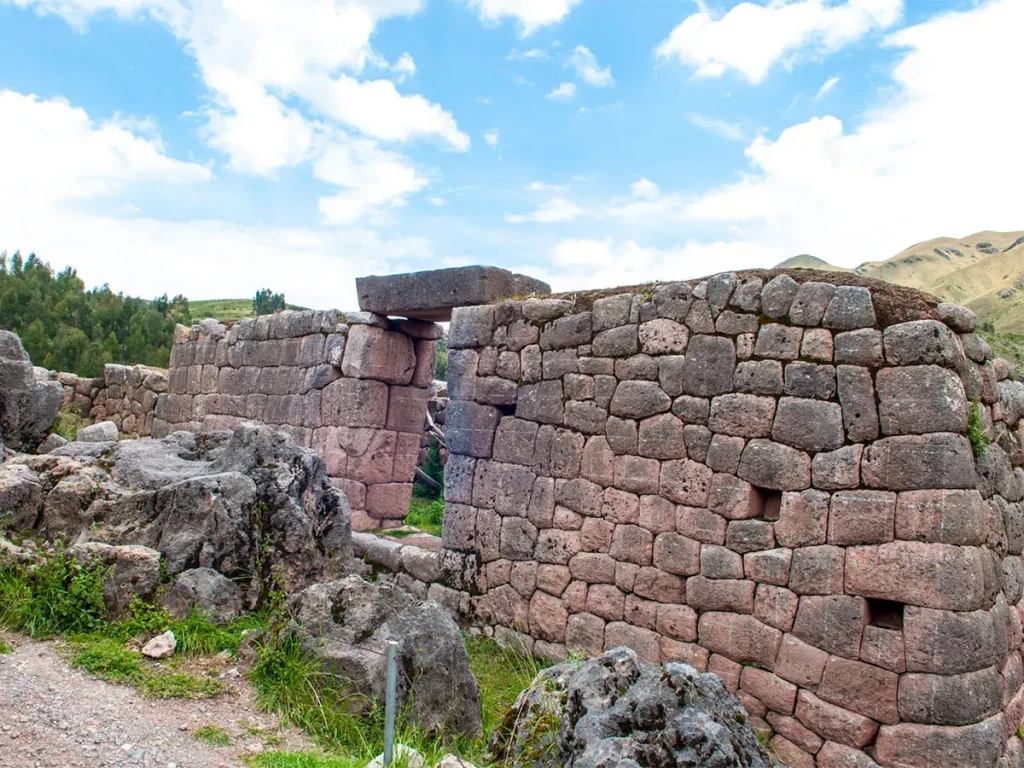
Puka Pukará means “the red fortress” in Quechua. This is a small site and although the name suggests that it was a fortress, it does not appear to have had any defensive purpose. It was probably used as an administrative center and was also a resting place for chaskis who carried messages from town to town. The interesting point here is the way the Incas built the walls over the natural rock.
Tambomachay
The name means “place of rest” in Quechua. It used to be the royal palace of the Inca Yupanqui when he went hunting in the surrounding area. This site was also thought to have been used as a Temple of Water. There are some interesting aqueducts, canals, and fountains made of stone, designed to channel water flowing from a nearby stream.
Koricancha and the Convent of Santo Domingo
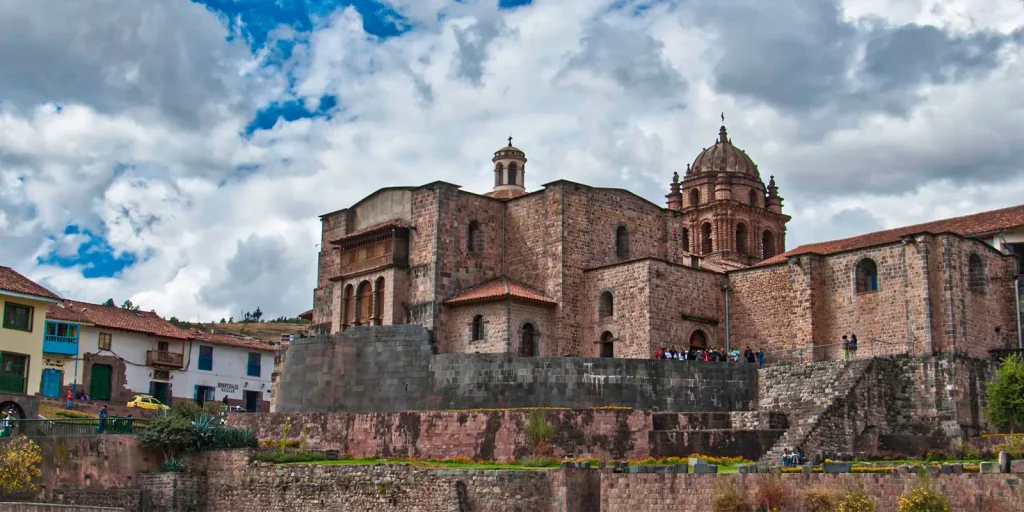
The convent was built on the spectacular Koricancha, which translates to ‘enclosure of gold’. This was the most important temple dedicated to the worship of the sun. During Inca times, its walls were covered with solid sheets of gold. All that remains now is the fine stonework; the conquistadors took the rest and dismantled the temple to build the convent. Koricancha was also an observatory, where Inca priests kept track of important celestial events. Besides the impressive Inca and Spanish architecture and history, you will also see an impressive collection of canvas paintings from the Escuela Cusqueña de Arte.
San Blas
The San Blas neighborhood is known as the home of some of the most talented Cusco artisans. Families such as the Mendivil family are able to create beautiful works in clay and other materials that will certainly make a great souvenir to take home. You can also visit the small central plaza, where you will find local markets and continue enjoying the local beauty.
Piedra de los 12 Angulos
The 12 Angles Stone is located on Hatunrumiyoc Street in the heart of the city. This is perhaps one of the greatest examples of Inca engineering, as it amazes travelers with the number of angles it has. Thousands of travelers even wait in line to take a photo with this spectacular attraction.
7 Borreguitos
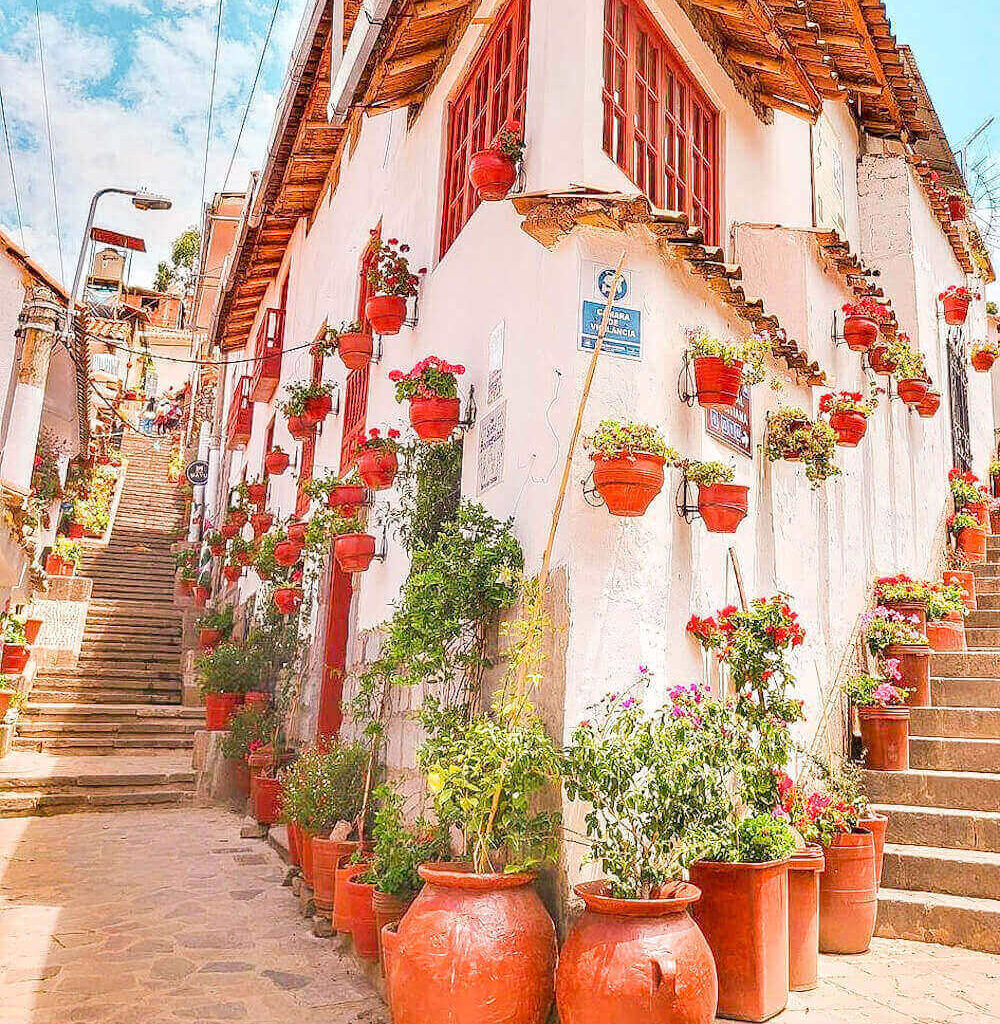
This street is one of the favorite places for travelers because of its beautiful decoration with flowers and local paintings. This street is located in the San Cristobal neighborhood, very close to the city center. When you arrive, you will understand why it is a favorite among travelers!
Sapantiana – Colonial Aqueduct
This impressive place has an arch-shaped aqueduct made of stones in 4 levels. It is located in the San Cristobal neighborhood, exactly in the ravine, 15 minutes from the Plaza de Armas of Cusco. This place was built by the Jesuits between the 17th and 18th centuries over the P’ujru River to supply water to the city.
From here, you can enjoy an impressive view of the city and it is also a great place to take beautiful photos.
San Pedro Market
San Pedro Market is an impressive building designed by the architects Jose Allio and Teodoro Elmore, famous for the design and construction of the Eiffel Tower. Here, travelers can enjoy the culture and daily life of local people and taste delicious local snacks such as fresh fruit juices, corn with cheese, and delicious pastries.
Summary of the Route
This one-day tour will start with pick-up from your hotel around 9 am to begin our journey through the most iconic places in Cusco. We will start with a visit to Sacsayhuaman, continuing to Q’enqo, Puka Pukará, and Tambomachay, learning about the local culture and its great Inca history.
Returning to the city, we will visit Coricancha, the Temple of the Sun. It is recognized for the meeting and connection between Spanish and Inca culture. After learning about this, we will continue to the San Blas neighborhood, known for its artisans, and then walk to the 12 Angles Stone in the heart of the city.
This spectacular journey will continue to 7 Borreguitos and the Colonial Aqueduct of Sapantiana, two impressive places in the San Cristobal neighborhood.
To finish the visit, we will enter San Pedro Market, where we can learn about the daily life of the people of Cusco and try some local products and snacks.
What is Included for the Tour?
Included
- Pick up at your hotel
- Professional guide, fluent in English & Spanish
- Private transportation to visit all Inca sites
- Taxes
Not Included
- • Entrance to Archeological sites: Purchase the Boleto Turístico (tourist ticket) of 70 soles (about $20 USD) per person, at the first site you enter. This can be used for 1 day to visit archeological sites in the Cusco region. (See important info, for other options)
- Entrance to Qoricancha (20 Soles per person)
- Meals
Best Price for 2027.
Enjoy this 1 day hike with expert team and in a small or private groups!
Packing List
WHAT TO BRING FOR A DAY HIKE