
Cusco City Information: A Practical Travel Guide
Cusco is one of the most fascinating cities in Peru. Once the political and spiritual center of the Inca Empire, it is now a lively destination where Inca stonework, Spanish colonial architecture, traditional markets and modern Peruvian culture come together.
For many travelers, Cusco is the starting point for Machu Picchu, the Sacred Valley and the famous treks through the Andes. However, the city deserves more than a quick overnight stay. Spending a few days in Cusco allows you to acclimatize, explore its historic streets and better understand the culture that shaped this part of Peru.
This practical guide covers the essential Cusco city information you need before your visit, including altitude, weather, transportation, important places, food, festivals and recommended day trips.
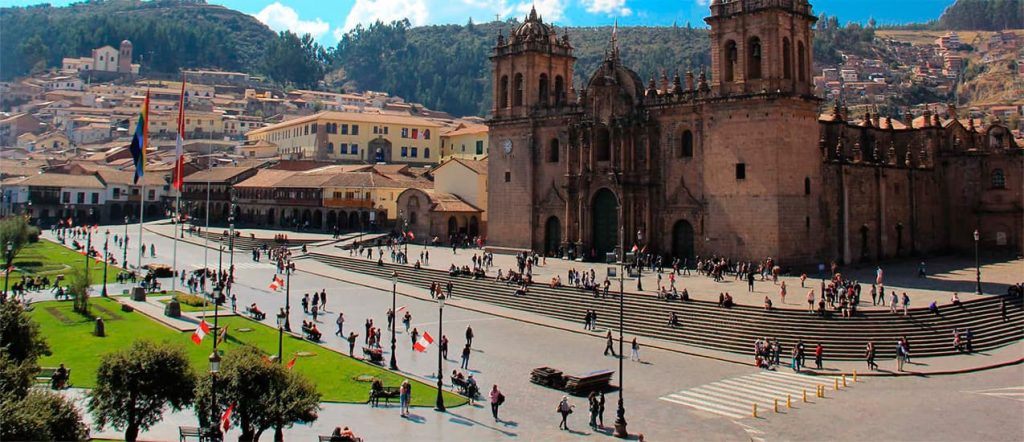
Suggested alt text: Panoramic view of Cusco city in Peru
Quick Facts About Cusco
- Elevation: 3,399 meters or 11,152 feet
- Recommended stay: Two to four days
- Airport code: CUZ
- Local currency: Peruvian sol
- Main languages: Spanish and Quechua
- Time zone: Peru Time, UTC−5
- Best months for clear weather: May to September
Why Visit Cusco?
Cusco was the capital of Tawantinsuyu, the Inca Empire that once extended across much of western South America. Its streets still preserve impressive examples of Inca engineering, including carefully fitted stone walls that have survived centuries of earthquakes.
After the Spanish arrived, churches, mansions and convents were constructed over many Inca buildings. This created the distinctive architectural mixture visitors see throughout the historic center today.
Cusco is also a living city. Local residents continue to speak Quechua, celebrate Andean traditions and sell regional products in neighborhood markets. Outside the historic center, modern Cusco continues to grow while maintaining a strong connection to its cultural heritage.
How Many Days Should You Spend in Cusco?
We recommend spending at least two full days in Cusco before beginning a demanding trek. This gives your body time to adjust to the altitude and allows you to explore the city without rushing.
A stay of three or four days is more comfortable if you also want to visit nearby archaeological sites, museums, markets or the Sacred Valley.
Travelers planning the Classic Inca Trail, Salkantay Trek, Rainbow Mountain or another high-altitude hike should avoid scheduling strenuous activities immediately after arriving in Cusco.
LOCAL TRAVEL TIP
Give yourself time to rest on your first day. A slow introduction to Cusco usually makes the rest of your journey more enjoyable.
Getting to Cusco
Most international travelers first arrive in Lima and then take a domestic flight to Cusco. The flight from Lima normally takes approximately one hour and twenty minutes.
Alejandro Velasco Astete International Airport is located only a few kilometers from the historic center. Depending on traffic, transportation from the airport to a centrally located hotel usually takes between 20 and 35 minutes.
Long-distance buses also connect Cusco with destinations such as Arequipa, Puno and Lima. Bus journeys can be considerably longer, but they may be useful for travelers following an overland itinerary through southern Peru.
For a more comfortable arrival, arrange transportation through your hotel or a trusted local tour operator.
Getting Around Cusco
Cusco’s historic center is relatively compact and many attractions can be reached on foot. However, cobbled streets, steep hills and the high altitude can make short distances feel more demanding than expected.
Walk slowly, take regular breaks and wear shoes with good traction.
Registered taxis are widely available and useful for reaching the airport, bus terminal and neighborhoods outside the historic center. Confirm the price before beginning your journey when the vehicle does not use a meter.
Avoid accepting unregistered transportation from people approaching travelers outside airports or terminals.
Cusco Altitude and Acclimatization
Cusco is located at approximately 3,399 meters or 11,152 feet above sea level. At this elevation, the air contains less oxygen than at sea level.
Some visitors experience mild altitude-related symptoms during their first day, including:
- Headache
- Tiredness
- Shortness of breath
- Difficulty sleeping
- Reduced appetite
- Mild nausea
To help your body adjust:
- Rest after arriving in Cusco.
- Walk at a comfortable pace.
- Drink water regularly.
- Eat light meals during your first day.
- Avoid excessive alcohol.
- Do not begin a difficult hike immediately after arriving.
- Spend at least two days acclimatizing before a demanding trek.
Altitude affects every traveler differently, regardless of age or fitness level. Seek professional medical attention if symptoms are severe, persistent or becoming worse.
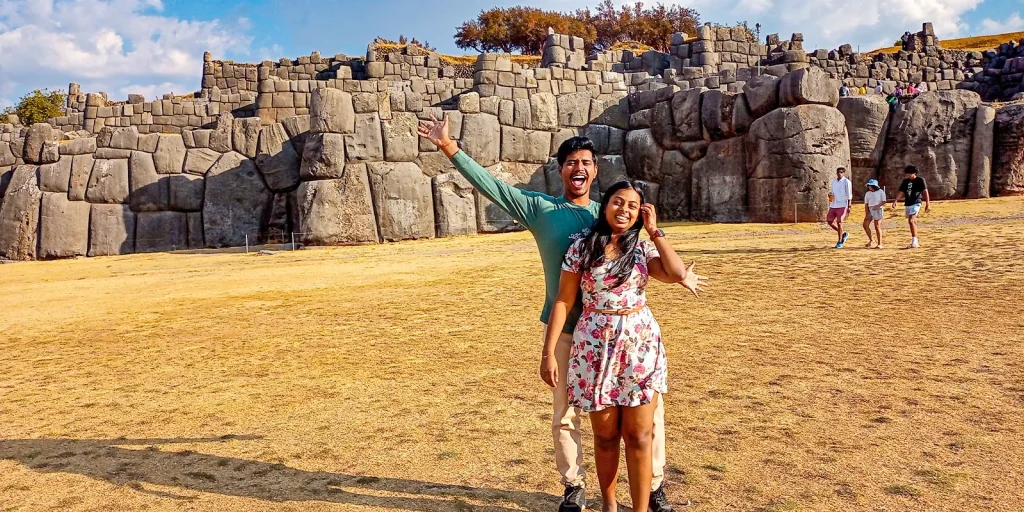
Suggested alt text: Travelers acclimatizing while exploring Cusco city
Best Time to Visit Cusco
Cusco can be visited throughout the year. The best season depends on the type of experience you prefer.
May to September: Dry Season
These months generally offer clearer skies, sunny days and colder nights. This is a popular period for trekking and outdoor activities.
June and July are among the busiest months, especially around Inti Raymi and the main holiday season. Hotels, tours and Machu Picchu tickets should be reserved well in advance.
October and November: Transition Season
These months usually offer a good balance between moderate visitor numbers and relatively favorable weather. The surrounding valleys begin to turn green, although afternoon showers become more frequent.
December to March: Rainy Season
Rain is more common during these months, especially in January and February. The landscape is green and vibrant, but outdoor plans may require greater flexibility.
Cusco’s museums, markets, restaurants and cultural attractions can still be enjoyed during the rainy season.
April: A Good Shoulder-Season Option
Rainfall normally begins to decrease in April while the surrounding landscape remains green. It can be a good month for travelers who want to avoid the busiest part of the dry season.
What to Pack for Cusco
Cusco’s weather can change considerably during a single day. Dressing in layers is usually the most practical option.
Consider bringing:
- A warm jacket for mornings and evenings
- Lightweight clothing for sunny afternoons
- A waterproof jacket or poncho
- Comfortable walking shoes
- Sunblock with high SPF
- Sunglasses
- A hat or cap
- A reusable water bottle
- A small daypack
- Personal medication
Sun protection is important because ultraviolet radiation is stronger at high altitude, even when the temperature feels cool.
Important Places to Visit in Cusco
Plaza de Armas
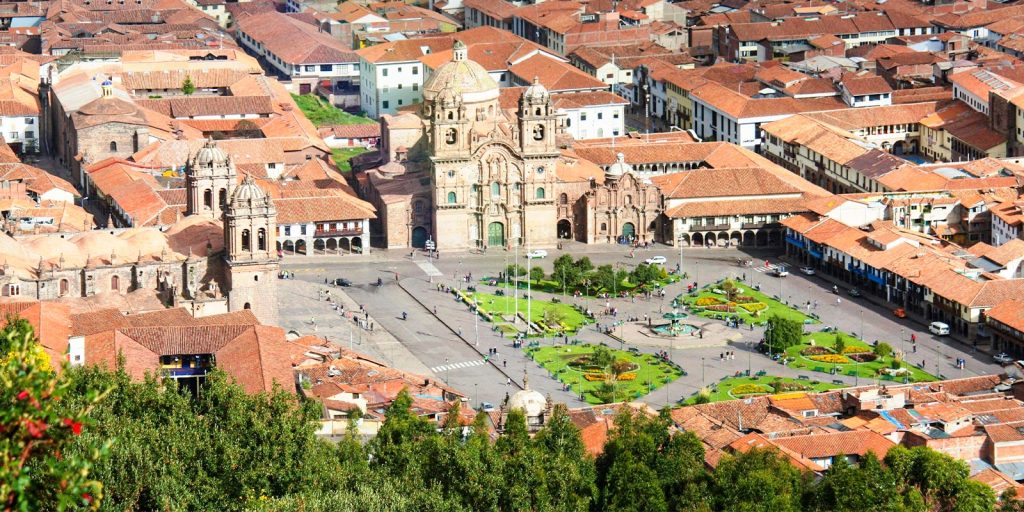
The Plaza de Armas is the heart of Cusco’s historic center. It is surrounded by colonial arcades, restaurants, shops and some of the city’s most important religious buildings.
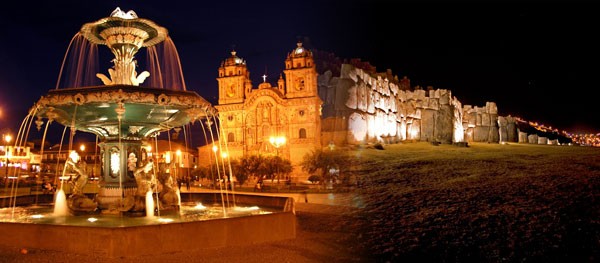
Visit early in the morning for a quieter atmosphere or return after sunset when the Cathedral and surrounding buildings are illuminated.
Cusco Cathedral
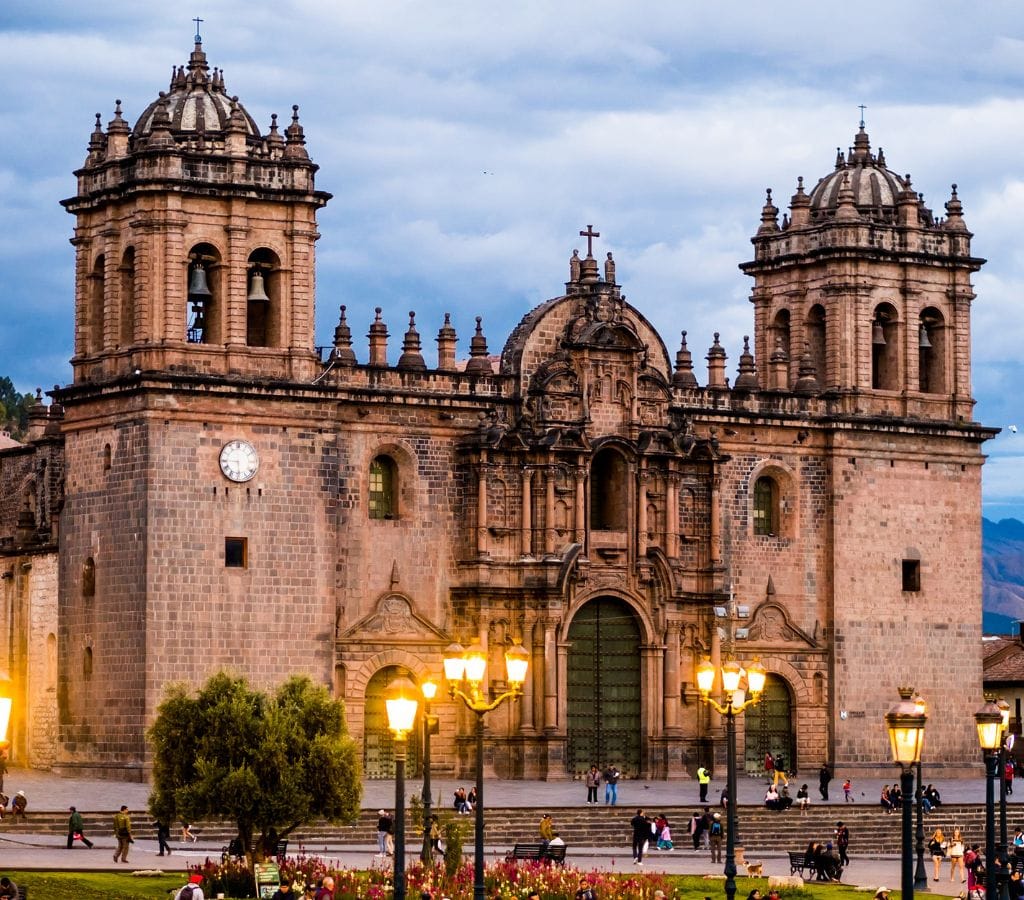
Located on the Plaza de Armas, Cusco Cathedral contains an important collection of colonial religious art. Its architecture and interior decorations reflect the cultural encounter between European Catholic traditions and Andean influences.
Qorikancha
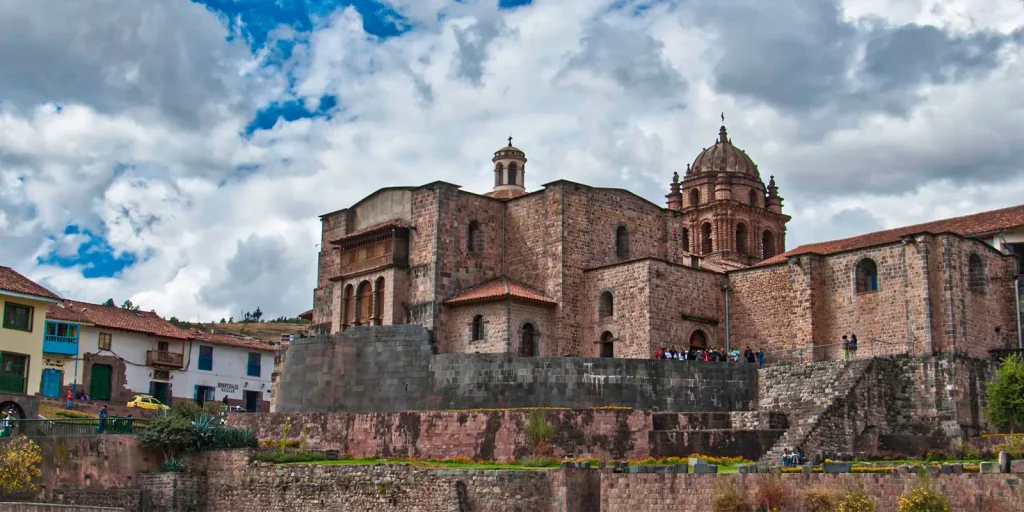
Qorikancha was one of the most important temples in the Inca Empire and was dedicated primarily to the sun. The Spanish later built the Santo Domingo Convent over its foundations.
Its finely fitted stone walls demonstrate the precision of Inca construction and make it one of the most important historical attractions in Cusco.
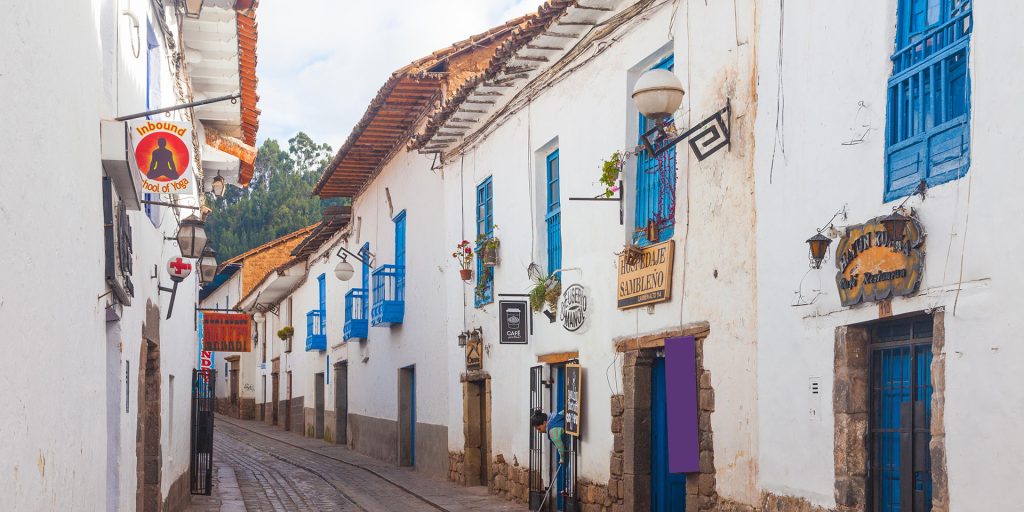
San Blas
San Blas is a traditional hillside neighborhood known for narrow streets, artisan workshops, small galleries and viewpoints over the city.
The walk from the Plaza de Armas is relatively short but steep. Take your time and use the climb as an opportunity to explore the small streets along the way.
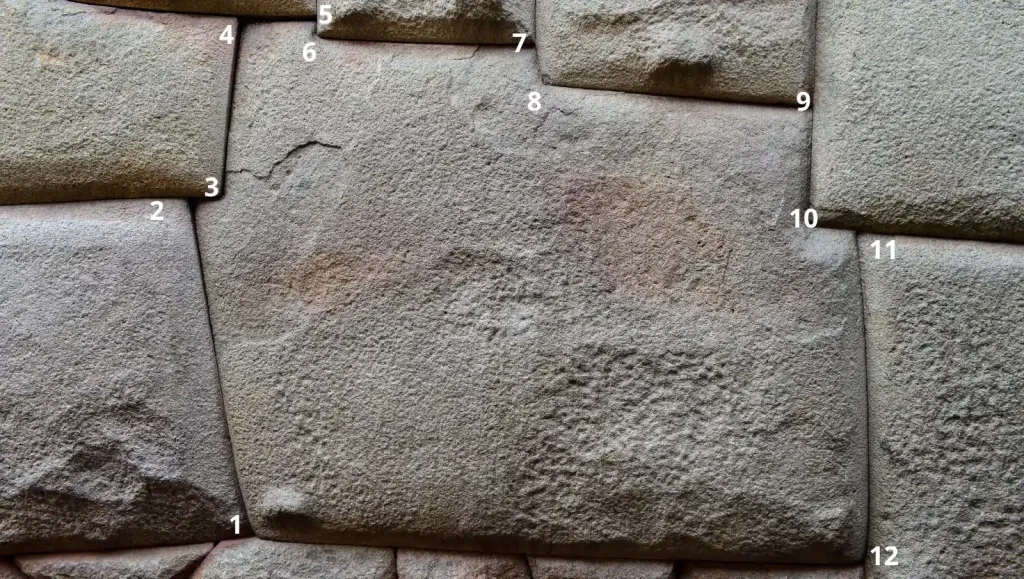
Twelve-Angled Stone
The famous Twelve-Angled Stone is located on Hatun Rumiyoc Street. It is one of the best-known examples of Inca masonry in the historic center.
The stone can be seen during a walk between the Plaza de Armas and San Blas.

San Pedro Market
San Pedro Market is a lively place to experience everyday life in Cusco. Inside, you will find fruit, vegetables, bread, cheese, juices, herbs, souvenirs and many local products.
Keep personal belongings close in busy areas and ask for permission before photographing vendors.
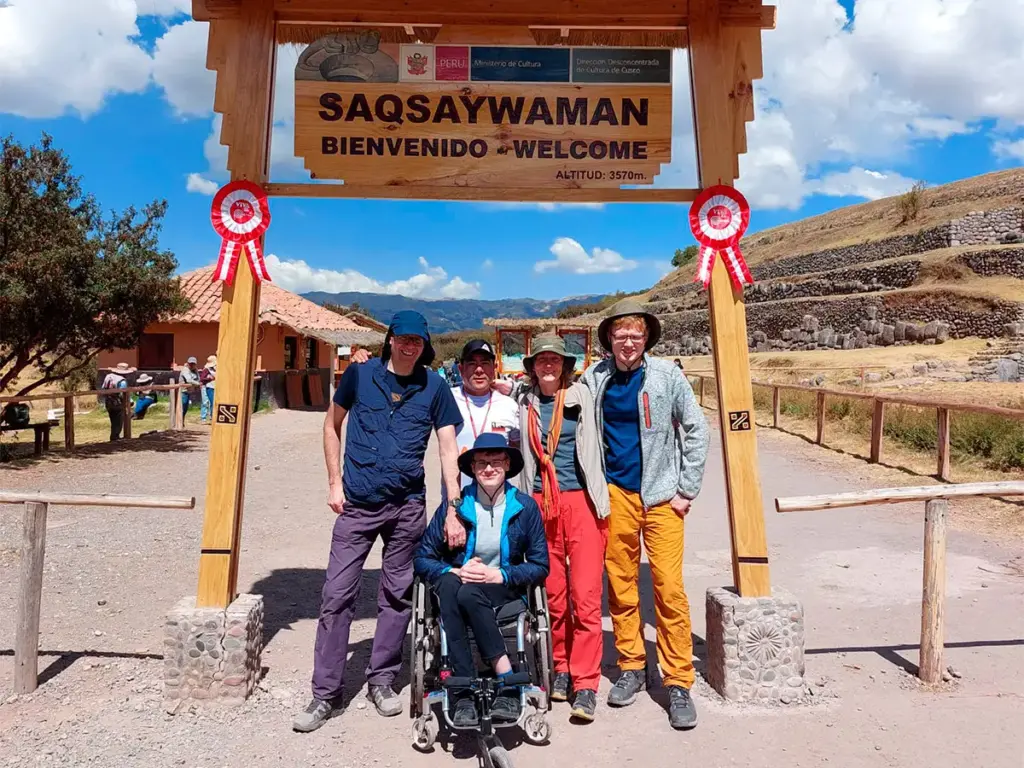
Sacsayhuamán
Sacsayhuamán is an impressive archaeological complex located above Cusco. It is known for enormous stone blocks fitted together with remarkable precision.
The site also offers wide views over the city. It can be visited independently or as part of a guided Cusco City Tour that includes nearby archaeological sites.
Food and Local Flavors
Cusco has a diverse restaurant scene ranging from traditional markets and family-run restaurants to contemporary Peruvian dining.
Popular regional ingredients include potatoes, corn, quinoa, trout, local cheese, ají peppers and Andean herbs.
You may find dishes such as:
- Quinoa soup
- Chiri uchu
- Adobo cusqueño
- Trout
- Rocoto relleno
- Lomo saltado
- Cuy
- Tamales
- Choclo with cheese
Drink only sealed bottled water or properly filtered and treated water. Ask your hotel or tour operator where you can refill a reusable bottle safely.
Responsible Travel in Cusco
Cusco receives visitors from around the world, but it remains home to local families, traditional communities and working neighborhoods.
You can travel more respectfully by:
- Buying directly from local artisans.
- Choosing locally owned restaurants and businesses.
- Asking permission before photographing people.
- Avoiding photographs involving children without parental consent.
- Following the instructions of guides and site authorities.
- Carrying your waste until you find an appropriate bin.
- Respecting archaeological structures.
- Learning a few basic words in Spanish or Quechua.
Small actions help protect Cusco’s culture and create more genuine encounters with local people.
[IMAGE BLOCK: Traditional Andean culture in the Cusco region]
Suggested alt text: Traditional Andean culture and textiles in the Cusco region
Important Festivals in Cusco
Cusco celebrates religious, civic and Andean traditions throughout the year.
Cusco Carnival
Cusco Carnival normally takes place in February or March. It includes music, dancing, parades and traditional water games. The exact dates change each year.
Corpus Christi
Corpus Christi is one of the city’s most important religious celebrations. Statues representing saints and virgins are carried from different churches to Cusco Cathedral in a large public procession.
The date changes each year because it follows the religious calendar.
Inti Raymi
Inti Raymi, the Festival of the Sun, is celebrated on June 24. Performances take place in different locations, with the principal ceremony held at Sacsayhuamán.
This is one of the busiest times to visit Cusco, so accommodation and tours should be booked early.
Pachamama Day
August 1 is traditionally associated with Pachamama, or Mother Earth. Some Andean families and communities hold ceremonies and make symbolic offerings at the beginning of the agricultural cycle.
Festival schedules and movable religious dates may change. Check the official program before arranging your trip around a particular event.
A Relaxed Two-Day Cusco Itinerary
Day 1: Arrival and Historic Center
After arriving, transfer to your hotel and allow time to rest. Eat a light lunch and begin with a gentle walk around the Plaza de Armas.
Continue toward Hatun Rumiyoc Street to see the Twelve-Angled Stone. If you feel comfortable with the altitude, walk slowly toward San Blas and enjoy the small artisan shops and viewpoints.
Keep your evening flexible and have an early dinner.
Day 2: Inca History and Local Life
Visit Qorikancha in the morning before continuing to Sacsayhuamán and the archaeological sites located above the city.
A guided Cusco City Tour can provide useful historical context and organize transportation between the different sites.
Later, visit San Pedro Market or one of Cusco’s museums. End the day with a briefing for your Sacred Valley, Machu Picchu or trekking experience.
Popular Day Trips from Cusco
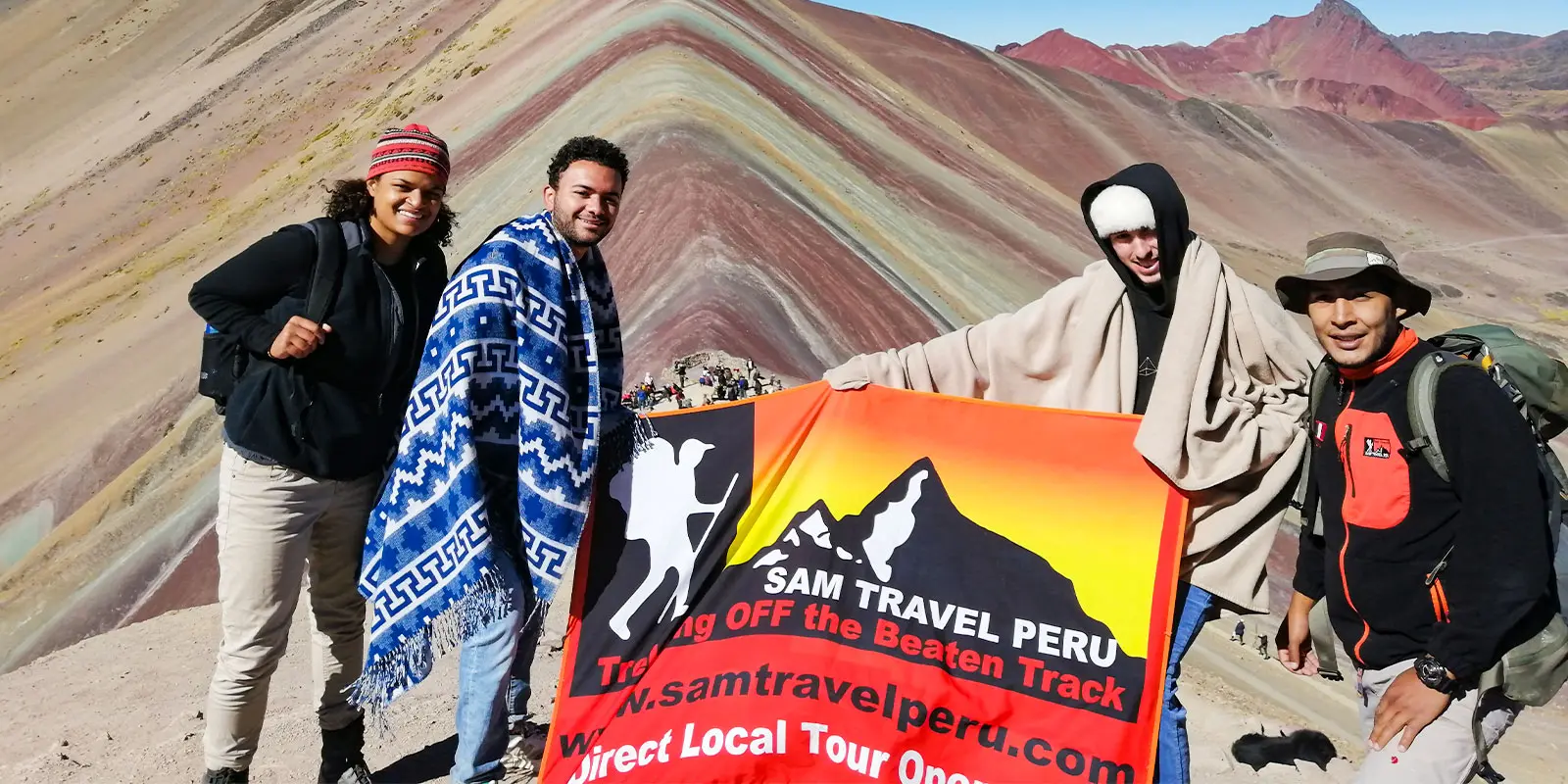
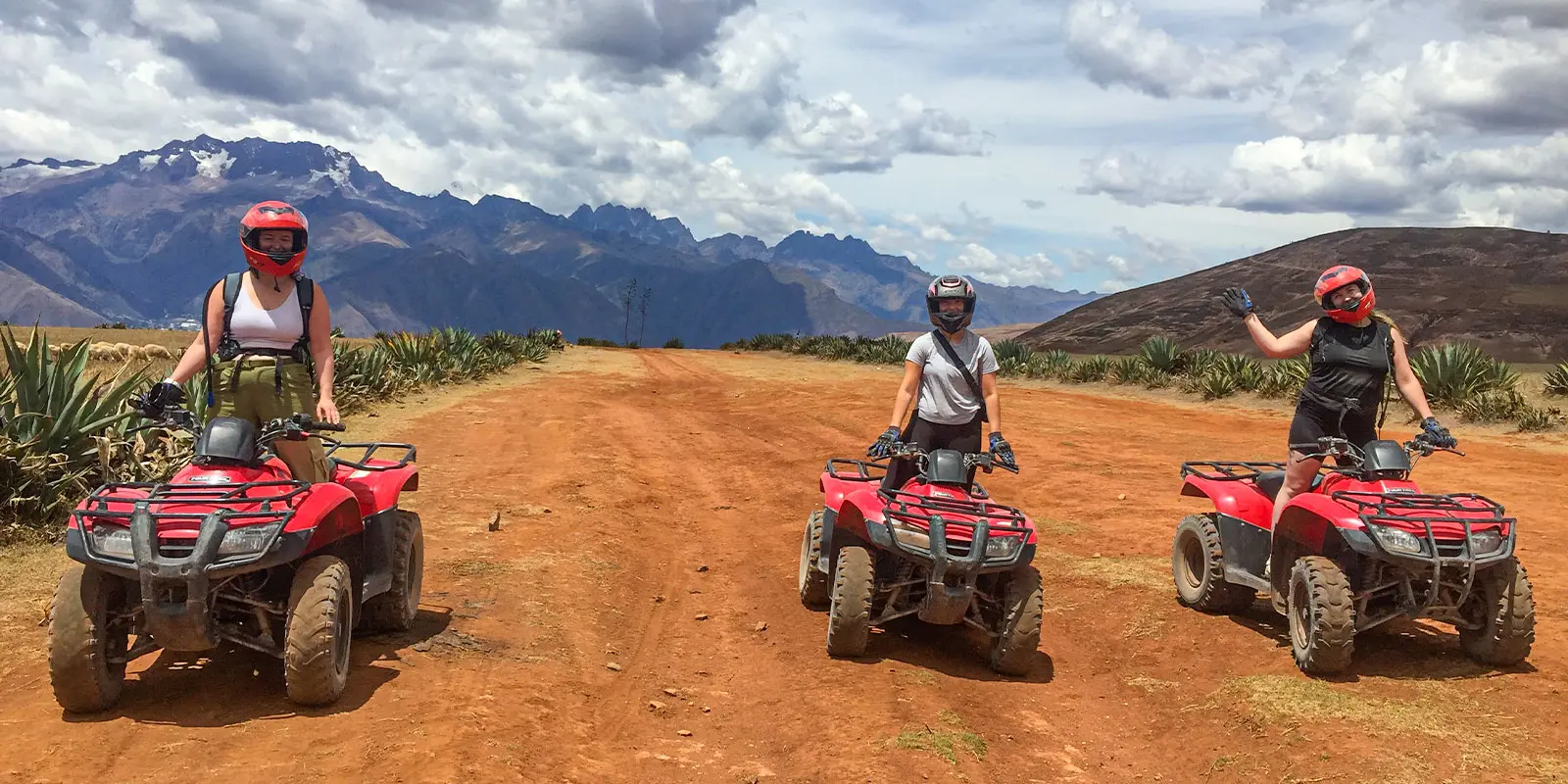
Rainbow Mountain Trek 1 Day
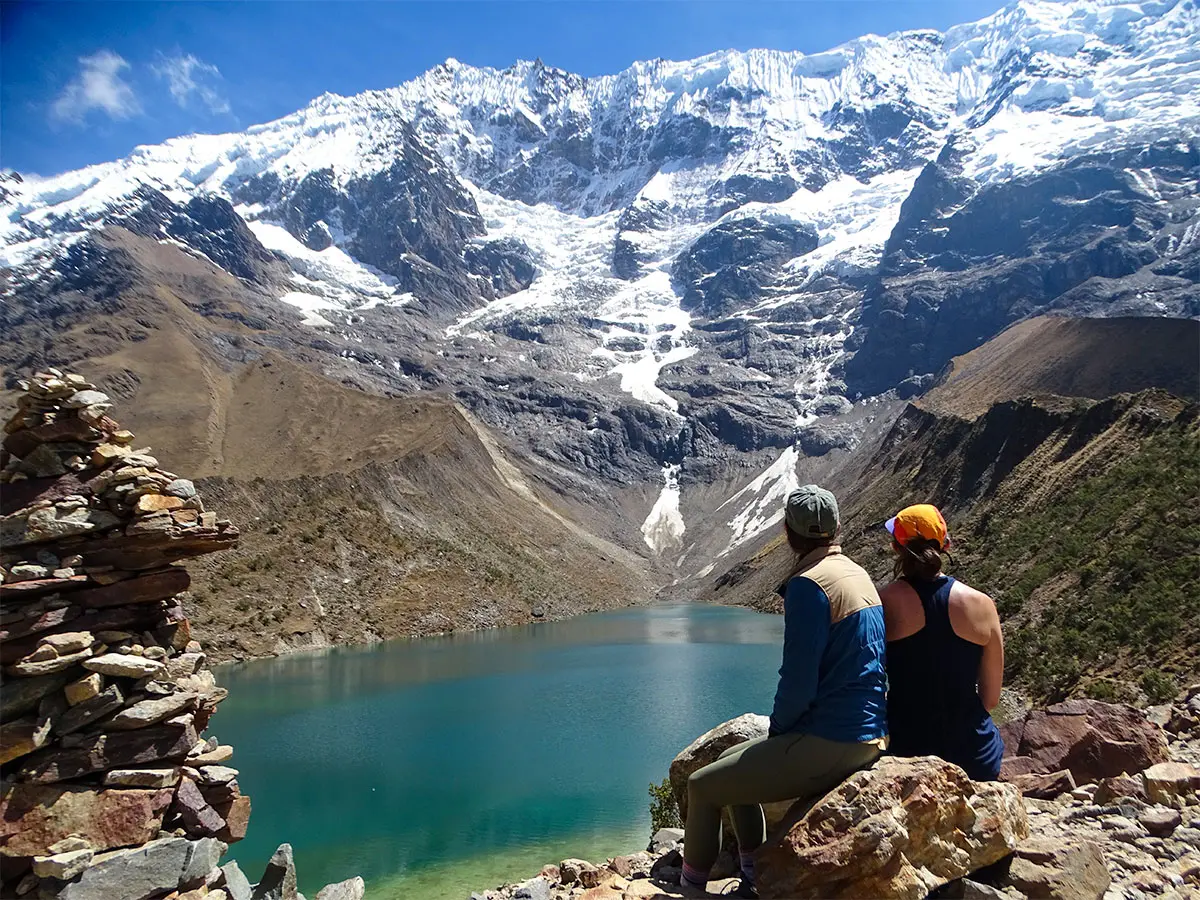
Humantay Lake Day Trek
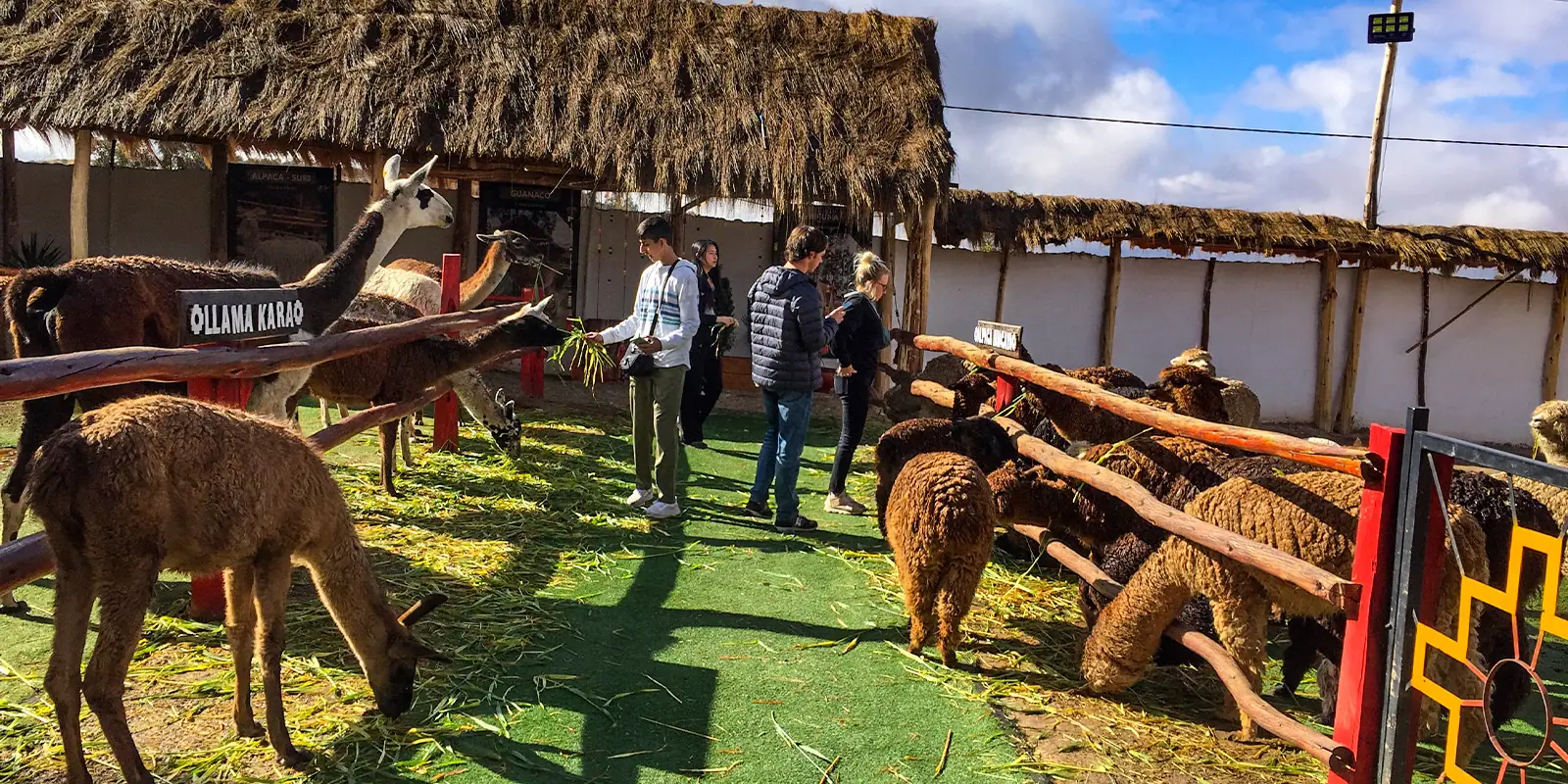
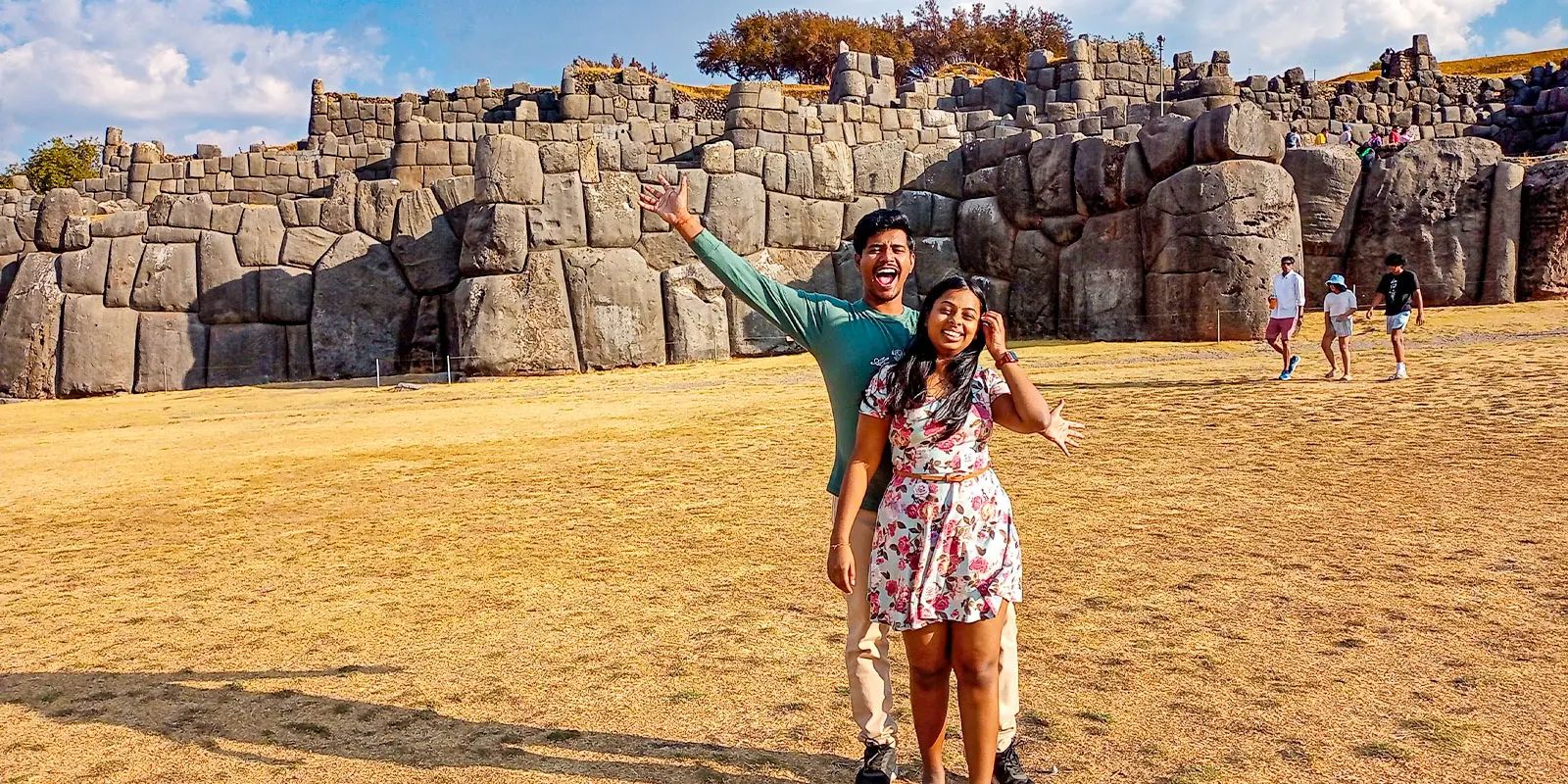
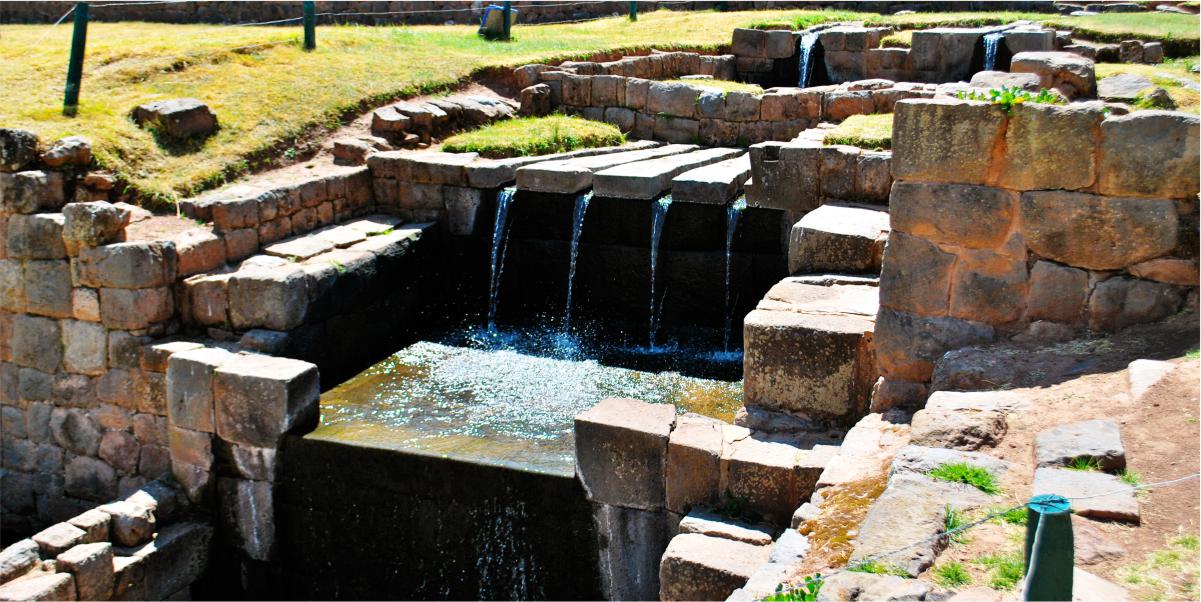
Sacsayhuaman & Pisac Day Tour
Watch the Cusco and Machu Picchu Experience
Cusco is the natural gateway to the Andes, the Inca Trail and Machu Picchu. Watch the landscapes, stone paths and living culture that make this region one of Peru’s most memorable destinations.
[VIDEO BLOCK]
YouTube URL: https://www.youtube.com/watch?v=8qy5fvl1IwM
Frequently Asked Questions About Cusco
How many days should I spend in Cusco?
Two to four days gives most travelers enough time to acclimatize, explore the historic center and take a city tour. Add more days if you plan separate trips to the Sacred Valley, Rainbow Mountain or Machu Picchu.
Is Cusco easy to explore on foot?
Most attractions in the historic center are within walking distance. However, the cobbled streets, steep hills and altitude can make short walks feel more difficult. Walk slowly and use registered taxis when necessary.
What should I wear in Cusco?
Dress in layers. Days may feel warm in direct sunlight, while mornings and evenings can be cold. Carry sun protection and a light waterproof jacket throughout the year.
Do I need to acclimatize before the Inca Trail?
Yes. We recommend spending at least two days at altitude before beginning a demanding trek. Travelers with medical concerns should discuss their altitude and hiking plans with a qualified healthcare professional.
Is tap water safe to drink in Cusco?
Visitors should generally drink sealed bottled water or properly filtered and treated water. Ask your accommodation where you can safely refill a reusable bottle.
Is Cusco only a stop before Machu Picchu?
No. Cusco has important archaeological sites, museums, traditional markets, restaurants, festivals and historic neighborhoods. The city deserves at least two days of exploration.
Can SAM Travel Peru organize my trip from Cusco?
Yes. SAM Travel Peru can organize Cusco city tours, Sacred Valley experiences, Machu Picchu packages and multi-day treks. Our local team can help coordinate transportation, guides, tickets and a personalized itinerary.
Plan Your Cusco Journey With Local Experts
Cusco is more than the starting point for Machu Picchu. It is a historic city with living traditions, impressive architecture and easy access to some of Peru’s most important cultural and natural attractions.
Tell us your travel dates, preferred activities and travel style. The SAM Travel Peru team can help you create a well-organized itinerary from your arrival in Cusco to your Machu Picchu experience.